🗓️Published on: 14/11/2026
In the weeks when hundreds of thousands of workers, school pupils and students took to the streets of Paris, Madrid, Brussels and Geneva to defend wages, housing and public services, Algerians were sharing photos of empty shelves and of prices well above the official ceiling. By then the potato crisis in Algeria had become a daily symbol of shrinking purchasing power, and reports of disrupted cooking oil supplies were coming in from several provinces. Yet the gulf between the two scenes runs deeper than the scale of the crises. In Europe, for all the tensions and excesses, workers have unions that negotiate, strike and march, and governments that sooner or later have to sit down with them, whereas independent unions in Algeria operate under legal restrictions and practices that the International Labour Organization's supervisory bodies have documented time and again. That contrast is the starting point of this article, in which the Trade Union Confederation of Productive Forces (COSYFOP) declares its solidarity with Europe's social movements and asks what lessons their experience holds for Algeria.
Europe's autumn 2026 strike wave over wages, housing and public services
These are not isolated protests but a broader social wave, in which demands over wages and the cost of living converge with opposition to the austerity built into the 2027 budgets. Its forms nonetheless vary, from a nationwide general strike in Spain to successive days of strikes and national demonstrations in France and Belgium, and to public-sector and subsidised-sector strikes in several Swiss cantons. Any careful analysis must also separate what has actually happened from what has been announced but has not yet taken place, a distinction we keep to in each of the cases below.
France, from school blockades to the 5 November strike
The first spark came from France's secondary schools, where a pupils' movement began on 21 September 2026 to demand replacements for absent teachers and more resources for schools. University students joined in early October, and clashes in several major cities led the Prime Minister to convene a crisis unit. The Interior Ministry reported nearly 2,000 arrests on 1 October alone and the government described part of the unrest as “urban violence”, a reminder that European governments, too, readily fall back on a security response when protests spread.
Meanwhile, the unions mobilised against the draft 2027 budget, which freezes the index point that sets civil servants' pay for yet another year and seeks spending cuts worth tens of billions of euros. After a large public-sector day of action on 29 September came the cross-industry strike of 5 November, called jointly by the CFDT, CGT, FO, UNSA and FSU and joined by school and student organisations, and that day's demonstrations proved one of the broadest mobilisations since the movement began. The Interior Ministry counted 575,000 demonstrators at 193 events, including 65,000 in Paris, and the unions, as is customary, put the figures much higher.
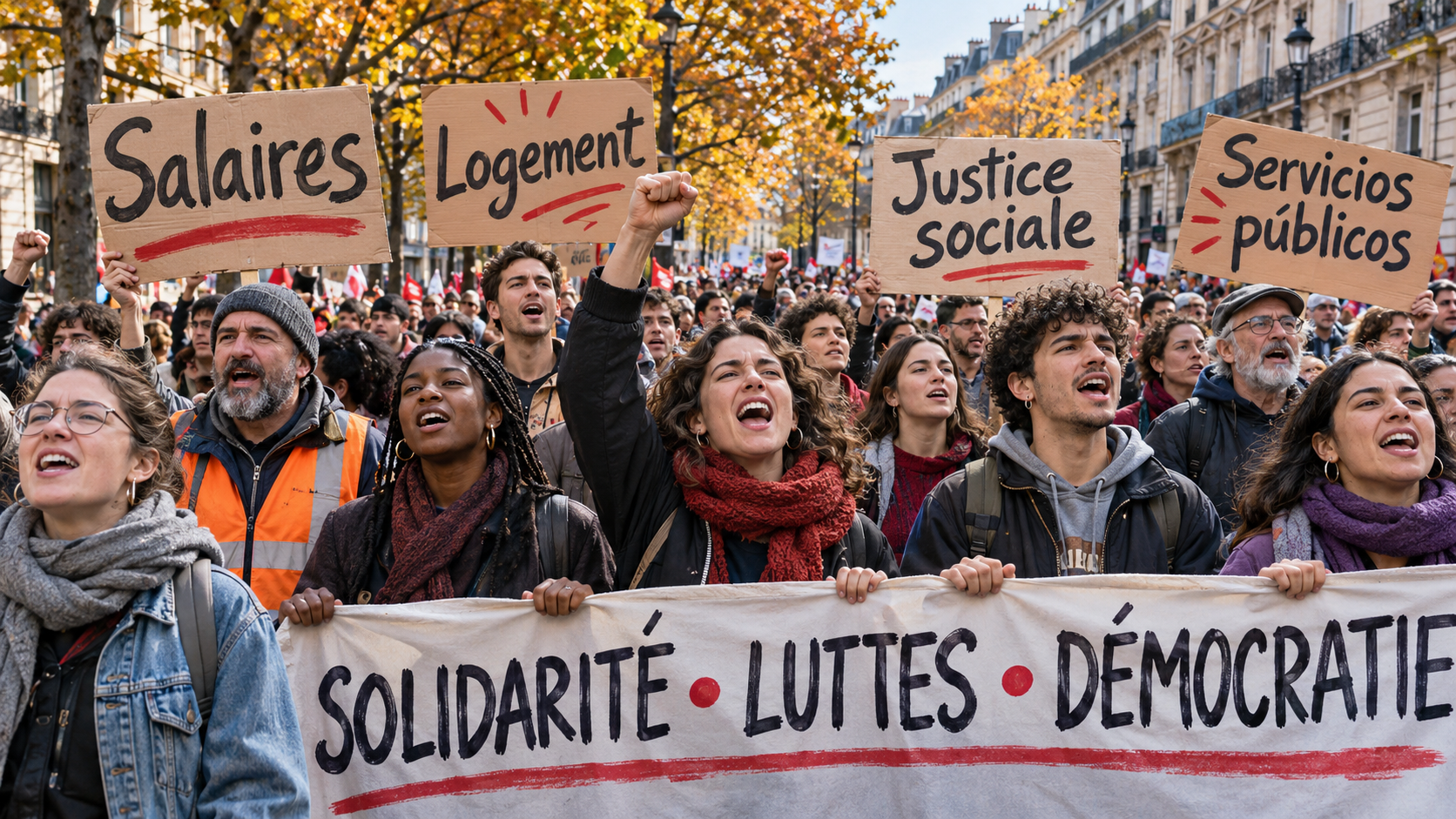
The government responded on two parallel tracks, deploying 70,000 police officers and gendarmes to oversee the 5 November marches while opening a negotiating channel, as Prime Minister Sébastien Lecornu convened a social conference at Matignon on 9 November that ended with the announcement of a 1.6% increase in the national minimum wage (SMIC) from 1 December. The unions, however, judged the increase insufficientand the CGT and the coordination of public-sector unions called a new strike day for 17 November. All this is unfolding in a country preparing for a presidential election in spring 2027, whose government is trying to pass its budget through a parliament in which it lacks an absolute majority.
Spain's first general strike in fourteen years, in defence of the right to housing
Spain's housing crisis became a national issue in September 2026, when the eviction of an 87-year-old woman from her Madrid home sparked a wave of protests and sit-ins led by the Tenants' Union in the Puerta del Sol that soon spread to dozens of cities. Anger grew further when the Congress of Deputies rejected the government's housing decrees, in a political sequence that ended with a snap general election being called for 29 November. On 7 October, Comisiones Obreras (CCOO) and the General Union of Workers (UGT) agreed with the confederation of tenants' unions and other organisations, including the CGT and the CNT, to call a 24-hour general strike for Wednesday 11 November. The strike was formally registered with the Labour Ministry on 19 October under the slogan “Wages, housing, prices” and was the first general strike since 2012 to be backed jointly by Spain's two largest unions.
On 11 November, mass marches in the major cities were hailed as a success by the unions, which nonetheless acknowledged uneven participation in the strike, from around 75% in Andalusia and Aragon to around 41% in Extremadura and Castilla-La Mancha. The Barcelona march ended in rioting, police used force against some picket lines in Madrid and dozens of people were arrested, prompting the unions to threaten legal action over what they called “disproportionate” interventions. The Spanish case also stands apart because the strike did not target a specific government austerity plan, the unions having stressed that it was aimed at the public authorities responsible for housing at every level and at employers' organisations, in a country where the right to housing has become the centrepiece of the election campaign.
Belgium's unions keep up the pressure on the “Arizona” coalition
For more than a year and a half, the “Arizona” coalition led by Prime Minister Bart De Wever has faced continuous union mobilisation in Belgium against reforms to pensions, unemployment benefits and the automatic indexation of wages to prices, as the government seeks €10 billion before the end of its term in 2029. On 9 October 2026, between 30,000 and 50,000 demonstrators , according to police and union estimates, marched through Brussels at the call of the General Labour Federation of Belgium (FGTB) and with the support of the Confederation of Christian Trade Unions (CSC). The march was marred by violence on its fringes, coincided with large protests in French-speaking education and was followed by a public services strike on 12 October.
The FGTB had threatened a general strike in the week beginning 23 November if the government pressed ahead unilaterally with changes to wage indexation, a VAT increase or the annualisation of working time. What the three unions (the FGTB, the CSC and the liberal union Synova) actually announced on 21 October, however, was a new national demonstration in Brussels on 23 November, open to mutual health insurers, anti-poverty associations, youth organisations and environmental movements. It is backed by a €21 billion alternative budget built on tax justice, the fight against fraud and a fairer contribution from capital income, and at the time of writing it had been announced but had not yet taken place.
Switzerland, Geneva and Vaud push back against budget cuts
In Switzerland, where much of social policy and public services is run at cantonal level, Geneva's state employees and subsidised-sector staff have been mobilising since November 2025 against austerity measures ranging from frozen annual pay steps and the absence of cost-of-living indexation to higher contributions to the state employees' pension fund. The canton's finances are in an exceptional situation, as it has had to operate throughout 2026 on a provisional budget after the cantonal parliament rejected two successive budget bills. The Cartel intersyndical, the joint body of unions representing state and subsidised-sector staff, responded to the 2027 draft budget (a deficit of more than CHF 546 million and cuts of nearly CHF 250 million) with a new demonstration on 1 October, which drew around 600 people and where a half-day strike was announced for 26 November. A coalition of unions and progressive forces is also preparing a major demonstration for the same month.
In neighbouring Vaud, between 6,000 and 8,000 people according to the police, and more than 15,000 according to the organisers marched through Lausanne on 5 November 2026 at the call of the three public-sector unions. They demanded the withdrawal of the 2027 budget cuts, which grew by a further CHF 100 million after voters approved a tax initiative known as the “12% initiative” on 27 September, ahead of the cantonal parliament's budget debate due to begin on 1 December.
What these movements share and where they differ
Different as their countries are, these movements converge on three main points. The first is the widening gap between wages and the cost of living, whether it shows up in housing in Spain, in frozen public-sector pay in France and Geneva or in the erosion of wage indexation in Belgium. The second is the refusal to make workers and public services bear the cost of restoring public finances, and the third is the striking presence of young people and social movements alongside the unions, from French secondary school pupils to Spanish tenants' unions and Belgian associations. Yet these common threads do not erase the differences, for the Spanish government is not the one imposing austerity, the French movement is unfolding in the year before a presidential election and with a divided parliament, and the Belgian conflict revolves around structural reforms championed by a coalition that refuses to back down, whereas Switzerland's disputes play out within cantonal budgets subject to direct democracy.
For Algerian readers, the most important point is that these movements, however heated and despite the controversial police interventions that sometimes accompanied them, took place within legal frameworks that recognise the right to strike and to demonstrate. In more than one country they led to negotiations, as with France's social conference, or carried the conflict into parliaments and the ballot box, as in Spain and Switzerland.
Algerian trade union solidarity across borders
Through this article, the Trade Union Confederation of Productive Forces expresses its full solidarity with the workers, public employees, school pupils, students and tenants, and with the trade unions leading these movements in France, Spain, Belgium and Switzerland. Their demands for wages that guarantee dignity, affordable housing and decent public services are the very demands Algerian workers are raising in far harsher conditions. The Confederation believes that cross-border workers' solidarity is neither a luxury nor a courtesy, because the pressures weighing on workers are much the same on both shores of the Mediterranean, from inflation to the decline of public services. Trade union freedoms are, moreover, universal and indivisible rights, enshrined in the International Labour Organization's Freedom of Association and Protection of the Right to Organise Convention (No. 87) and its Right to Organise and Collective Bargaining Convention (No. 98), both of which Algeria ratified in 1962.
The Confederation stresses that defending the freedom to organise, to strike and to demonstrate peacefully admits no double standards, which is why it rejects the disproportionate use of force against protesters wherever it occurs, in Paris, Madrid or Brussels as much as in Algeria. In its view, Europe's social demands reopen a fundamental question about governments' responsibility to protect economic and social rights and about their duty to engage with independent unions rather than simply manage public anger through policing. It also calls on the European trade unions now fighting their own social battles to place the situation of Algerian trade unionists among their solidarity priorities, because genuine solidarity is a two-way street.
What the potato crisis in Algeria and the cooking oil shortages reveal about purchasing power
Potatoes, caught between a price cap and empty shelves
Potato prices rose steadily from late summer 2026, prompting the Ministry of Domestic Trade and National Market Regulation to issue an instruction dated 1 October 2026after an inter-ministerial meeting and an agreement with representatives of the agricultural value chains, farmers and cold-storage operators. The instruction set the retail price at between 80 and 90 dinars per kilogram and required inspection services to report daily to the central administration on compliance. Yet the cap changed the shape of the crisis rather than ending it, with the consumer protection organisation Himayatek first criticising the sale of poor-quality potatoes at the capped price before the problem shifted, in early November, from high prices to scarcity. Shortages were reported in a number of markets in Algiers, in the east of Bouira province and in other provinces, and where potatoes could still be found they sold for 110 to 140 dinars per kilogram, as much as 50 dinars above the official ceiling.
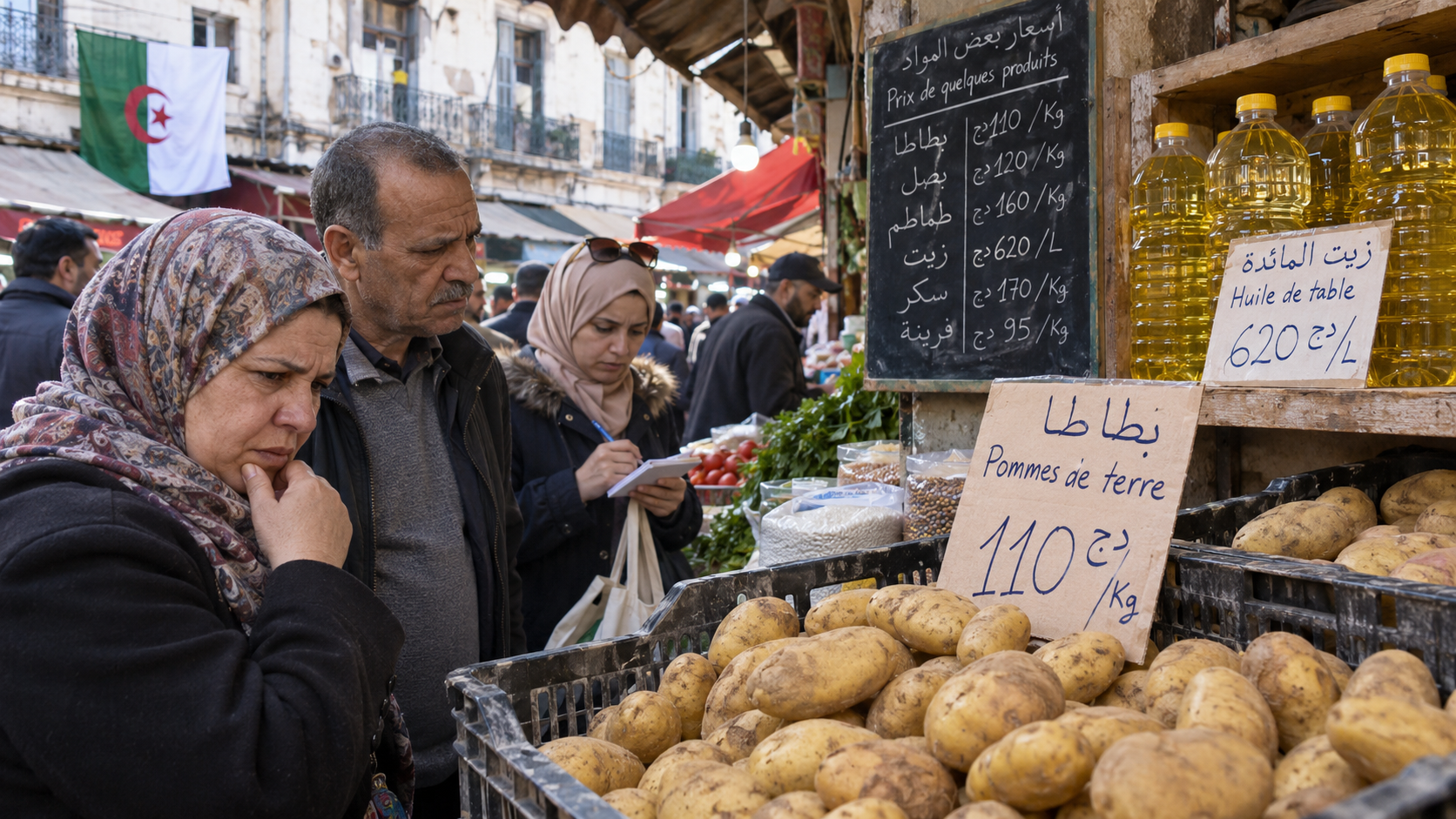
It is worth separating established facts from the explanations in circulation, for while it is clear that prices rose, that the authorities resorted to a price cap and that shortages then appeared in several provinces, the causes remain disputed. One reading blames some wholesalers for refusing to sell on the imposed terms (an account relayed by the press from the markets without official confirmation), whereas economists cited in a BBC Arabic reportpoint to weak production, transport and storage problems and the many intermediaries in fresh produce supply chains. Nor is this the first time potatoes have dominated the headlines, as the President of the Republic himself acknowledged in April 2025 that a kilogram had reached 150 to 160 dinars, and similar crises in previous years make it hard to accept that this is merely a passing problem.
زيت المائدة، أزمة متكررة بين النفي الرسمي وشكاوى المستهلكين
عرفت الجزائر بين ربيع 2021 ومطلع 2022 أزمات متلاحقة في تموين زيت المائدة المدعّم، رافقتها طوابير أمام المحلات وتبادل للاتهامات بين المنتجين والتجار والإدارة، وكان الخطاب الرسمي يتراوح بين نفي وجود ندرة وتحميل المسؤولية للمضاربة والاحتكار والأخبار الكاذبة، قبل أن تحصي لجنة برلمانية عشرين سببًا للأزمة، من أبرزها رفض التعامل بالفواتير واختلالات التوزيع. وفي السياق نفسه، اعتمدت السلطات القانون رقم 21-15 المؤرخ في 28 ديسمبر 2021 المتعلق بمكافحة المضاربة غير المشروعة، المنشور في الجريدة الرسمية عدد 99 بتاريخ 29 ديسمبر 2021، والذي شدد العقوبات على المضاربين، وهو خيار زجري لم يمنع تكرار الاضطرابات في مواد أساسية أخرى.
أما في نوفمبر 2026، فالصورة أكثر التباسًا، إذ أفادت تقارير صحفية بأن زيت المائدة أصبح نادرًا منذ أكثر من أسبوعين في عدة ولايات، منها الجزائر العاصمة والبويرة ووهران وتلمسان وغليزان وسطيف، ونقلت عن مصدر من القطاع لم تكشف هويته أن مركب «سيفيتال» ببجاية يعمل بنحو نصف طاقته بسبب صعوبات في الصيانة، في حين نفت كبرى الشركات المنتجة، ومنها «سيفيتال»، وجود أي اضطراب في الإنتاج أو التوزيع، مؤكدة استمرار مصانعها في العمل بصورة عادية، علمًا أن الزيت مادة مدعّمة تباع بأسعار مقننة قدرها 125 دينارًا للتر الواحد و250 دينارًا لقارورة اللترين و650 دينارًا لقارورة الخمسة لترات. وأمام غياب أرقام رسمية محيّنة، لا يمكن الجزم بوجود أزمة شاملة في زيت المائدة، لكن تكرار الشكاوى في ولايات متباعدة، بالتوازي مع اجتماع عقدته وزارة التجارة الداخلية مع المنتجين يوم 26 أكتوبر لمراجعة المخزون الأمني وقدرات الإنتاج تحسبًا لشهر رمضان، يؤكد أن ملف التموين ما يزال هشًا.
الأجور والتضخم والبطالة، ما لا تقوله الخطابات الرسمية
تقدّم السلطات حصيلة اجتماعية إيجابية، فقد قرر مجلس الوزراء رفع الأجر الوطني الأدنى المضمون من 20 ألفًا إلى 24 ألف دينار ابتداءً من جانفي 2026، ورفع منحة البطالة من 15 ألفًا إلى 18 ألف دينار، كما صادق مجلس الوزراء في 4 أكتوبر 2026 على مشروع قانون المالية لسنة 2027 متضمنًا زيادات جديدة في الأجور، وجدد رئيس الجمهورية التزامه باستكمال زيادة في الأجور بنسبة 53 بالمائة. غير أن الكنفدرالية ترى أن هذه الزيادات تُقرَّر بصورة أحادية خارج أي مفاوضة جماعية حقيقية مع النقابات المستقلة، وأنها تخص أساسًا أجراء القطاع العام، إذ لا يستفيد منها عمال القطاع الخاص بصورة مباشرة، وهم شريحة واسعة من الأجراء.
أما المؤشرات، فترسم صورة أقل اطمئنانًا، إذ تُظهر معطيات الديوان الوطني للإحصائيات أن الأسعار في أوت 2026 كانت أعلى بنسبة 8.01 بالمائة مما كانت عليه في أوت 2025، بينما رصد صندوق النقد الدولي في ختام مشاورات المادة الرابعة لسنة 2026 انتقال التضخم من سالب 2 بالمائة في سبتمبر 2025 إلى 5.2 بالمائة في أفريل 2026، وتوقع ارتفاعه مؤقتًا خلال سنة 2026، محذرًا من عجز في الميزانية بلغ 10.5 بالمائة من الناتج الداخلي الخام سنة 2025 ومن استمرار اللجوء إلى التمويل النقدي. ولا تقل أرقام البطالة إثارة للتساؤل، فقد أعلن الديوان الوطني للإحصائيات معدلًا قدره 12.7 بالمائة لشهر أكتوبر 2024، ثم راجعه بعد نحو أسبوع إلى 9.7 بالمائة بدعوى تعديلات تخص العمل غير الرسمي والوظائف المستحدثة في نهاية السنة، وهي مراجعة تطرح أسئلة مشروعة حول موثوقية الأرقام التي تُبنى عليها السياسات العامة.
وفي مواجهة هذا التباين بين الخطاب والواقع، نشرت الكنفدرالية في 20 سبتمبر 2026 دراستها حول القدرة الشرائية في الجزائر، المبنية على تحقيق ميداني أُجري يوم 14 سبتمبر في عدد من الولايات، والتي خلصت إلى أن أسعار 17 منتوجًا من أصل 18 منتوجًا قابلًا للمقارنة جاءت فوق متوسط السعر الإداري المعلن، وأن مجرد استدراك القدرة الشرائية لسنة 2021 يقتضي أجرًا أدنى في حدود 27 ألف دينار خام، في حين يحتاج العامل الذي يعيش وحده دون قسط سكن إلى ميزانية شهرية تقارب 35 ألف دينار. وعلى هذا الأساس أطلقت الكنفدرالية حملة توقيعات من أجل رفع الأجر الوطني الأدنى المضمون إلى 35 ألف دينار كخطوة أولى ابتداءً من 2027، تُختتم في 25 ديسمبر 2026، وتطالب بأن يندرج هذا الإجراء ضمن حوار اجتماعي حقيقي وشامل مع النقابات.
وتكشف أزمة البطاطا في الجزائر، ومعها اضطرابات زيت المائدة، حين تُقرآن في هذا السياق، أن المشكلة لا تكمن في سلعة بعينها، بل في نموذج كامل لإدارة الأسواق يقوم على تسقيف الأسعار وتجريم المضاربة وضخ المخزونات عند الطوارئ، دون معالجة جذرية لاختلالات الإنتاج والتخزين والتوزيع، ودون شفافية في المعطيات أو إشراك فعلي للمنتجين والمستهلكين والنقابات في صياغة الحلول. وحين تلتهم المواد الأساسية حصة متزايدة من أجور ضعيفة أصلًا، تتحول كل أزمة تموين إلى اختبار يومي لصبر الأسر، وإلى مؤشر على هشاشة اجتماعية تتجاوز السوق لتطال الثقة في المؤسسات.
الحريات النقابية في الجزائر والمقاربة الأمنية، ماذا تقول أجهزة الرقابة الدولية
قانونا 23-02 و23-08 تحت مجهر لجنة الخبراء
يقوم الإطار القانوني الحالي على نصين صدرا سنة 2023، هما القانون رقم 23-02 المؤرخ في 25 أفريل 2023 المتعلق بممارسة الحق النقابي، المنشور في الجريدة الرسمية عدد 29 بتاريخ 2 ماي 2023، والذي ألغى القانون رقم 90-14، والقانون رقم 23-08 المؤرخ في 21 جوان 2023 والمتعلق بالوقاية من النزاعات الجماعية للعمل وتسويتها وبممارسة حق الإضراب، المنشور في الجريدة الرسمية عدد 42 بتاريخ 25 جوان 2023. وقد قدّمت الحكومة هذين النصين بوصفهما إصلاحًا يواكب المعايير الدولية، غير أن لجنة الخبراء المعنية بتطبيق الاتفاقيات والتوصيات، في ملاحظتها المنشورة ضمن تقريرها إلى الدورة 113 لمؤتمر العمل الدولي سنة 2025، حثّت الحكومة على مراجعة المواد من 12 إلى 15 من القانون 23-02 التي تفرض حظرًا عامًا على النشاط السياسي للنقابات، وعلى مراجعة المواد من 37 إلى 42 المتعلقة بالقوانين الأساسية للنقابات، وتعديل المادتين 49 و56 وإلغاء المادة 61 من القانون نفسه، كما طالبت برفع القيود المفرطة على ممارسة حق الإضراب الواردة في المادتين 42 و45 من القانون 23-08، وبتقليص آجال إجراءات التسوية المسبقة التي قد تتجاوز ستين يوم عمل قبل اللجوء إلى إضراب مشروع، وهي مدة رأت اللجنة أنها قد تجعل الإضراب صعبًا أو مستحيلًا.
وأعربت لجنة الخبراء كذلك عن انتظارها أن تحل الحكومة دون مزيد من التأخير مسألة تسجيل الكنفدرالية النقابية للقوى المنتجة والكنفدرالية العامة المستقلة للعمال في الجزائر (CGATA) ومنظمات نقابية أخرى، بعدما سجلت أن رسالة الكنفدرالية تتضمن ادعاءات عديدة بشأن مضايقة قيادييها وأعضائها. وفي جوان 2024، ناقشت لجنة تطبيق المعايير التابعة لمؤتمر العمل الدولي حالة الجزائر بشأن الاتفاقية رقم 98، وطلبت من الحكومة في استنتاجاتها تعزيز التعاون مع الشركاء الاجتماعيين المستقلين، واعتماد تشريع يكفل حماية فعالة من التمييز المناهض للنقابات بعقوبات رادعة بما فيه الكفاية، وضمان حق النقابات الأقلية في التفاوض على الأقل باسم أعضائها، ومراجعة إجراءات تسجيل النقابات. وفي الاتجاه نفسه، كان المقرر الخاص للأمم المتحدة المعني بالحق في حرية التجمع السلمي وتكوين الجمعيات قد خلص، في تقريره عن زيارته إلى الجزائر المنشور في ماي 2024، إلى أن تجريم عمل المجتمع المدني أحدث أثرًا مثبطًا وولّد مناخًا من الخوف.
لجنة الحرية النقابية تأسف بشدة لغياب أي مبادرة حكومية
تبقى توصيات لجنة الحرية النقابية الأحدث والأوضح، إذ اعتمد مجلس إدارة منظمة العمل الدولية في 13 جوان 2026 التقرير رقم 415 للجنة، الذي تناول الشكوى رقم 3434 المقدمة من الكنفدرالية النقابية للقوى المنتجة بدعم من الاتحاد الدولي للخدمات العامة والاتحاد الدولي لعمال الأغذية والزراعة والفنادق. وقد سجلت اللجنة «بأسف بالغ» أن الحكومة لم تقدم أي مبادرة ملموسة لتسوية مسألة تسجيل الكنفدرالية والاعتراف بها، وحثتها على انتهاج مقاربة استباقية بالدخول دون تأخير في مناقشات مع ممثليها، وأكدت انتظارها أن تتخذ الحكومة فورًا التدابير اللازمة لتمكينهم من الولوج الحر إلى مقر لعقد اجتماعاتهم النقابية، كما انتظرت رفع حظر السفر الدولي المفروض على نقابيين فور انتهاء التحقيقات الجارية، وأكدت أنها لا تزال «قلقة للغاية» إزاء الادعاءات المتعلقة بأعمال قمعية تستهدف قادة الكنفدرالية والمنظمات المنتسبة إليها، وأنها «تأسف بشدة» لعدم اتخاذ الحكومة أي إجراء محدد لمتابعة توصياتها السابقة الداعية إلى الحوار مع الكنفدرالية، رغم خطورة الوضع.
ولا يقتصر الأمر على الكنفدرالية، إذ صدر في 28 جويلية 2026 حكم قضائي بحل نقابة «كنابست» (المجلس الوطني المستقل لمستخدمي التدريس للقطاع ثلاثي الأطوار للتربية)، بناءً على طلب قدمته وزارة العمل بدعم من وزارة التربية الوطنية استنادًا إلى القانون 23-02، بحسب ما أفاد به الممثلون القانونيون للنقابة، وهو حكم وصفته منظمة العفو الدولية بأنه «ضربة مدمرة للنشاط النقابي المستقل في الجزائر». وقد نبّهت الكنفدرالية في مقال سابق إلى التفاوت في تطبيق القانون 23-02 بين النص والممارسة، حين تُحَل نقابات مستقلة بدعوى عدم المطابقة، في حين يبقى جمع موثّق بين مسؤولية حزبية ومهمة نقابية داخل منظمة أخرى دون مساءلة.
حين تُغلق قنوات الحوار
تتقاطع هذه المعطيات لترسم ملامح مقاربة يغلب عليها الطابع الأمني والإداري في التعامل مع العمل النقابي المستقل، من رفض التسجيل وحرمان النقابيين من مقراتهم وحظر السفر والمتابعات القضائية إلى حل النقابات بأحكام قضائية، في حين تُتخذ القرارات الكبرى المتعلقة بالأجور والأسعار بصورة أحادية. وتكمن خطورة هذه المقاربة في أنها تعالج النتائج بدل الأسباب، فتسقيف سعر البطاطا بتعليمة إدارية أو تجريم المضاربة بقانون زجري لا يعوّض غياب حوار منتظم مع المنتجين والتجار والمستهلكين والنقابات، وهم الأقدر على تشخيص اختلالات السوق، كما أن إقصاء النقابات المستقلة من التفاوض يحرم السلطات نفسها من قنوات وسيطة قادرة على تحويل الغضب إلى مطالب قابلة للنقاش والتسوية.
وتحذّر الكنفدرالية، من موقع المسؤولية لا من باب التهويل، من أن تراكم الضغط على القدرة الشرائية مع استمرار إغلاق قنوات التعبير المنظم والتفاوض الجماعي من شأنه أن يعمّق الشعور بالظلم والتهميش، ويرفع منسوب الاحتقان الاجتماعي، وقد يدفع نحو أشكال احتجاج عفوية وغير مؤطرة يصعب التحكم في مآلاتها، وهو احتمال لا يملك أحد الجزم بتوقيته أو بحجمه، لكنه يظل قائمًا ما دامت أسبابه قائمة. وتُظهر التجارب الأوروبية الأخيرة أن وجود نقابات قوية ومعترف بها لا يُضعف الدولة، بل يمنحها محاورين قادرين على التفاوض وعلى الالتزام بما يُتفق عليه، حتى في أكثر اللحظات توترًا.
رسالة الكنفدرالية، الحوار الاجتماعي قبل فوات الأوان
انطلاقًا من هذه المعطيات، تجدد الكنفدرالية النقابية للقوى المنتجة دعوتها السلطات الجزائرية إلى تغيير جذري في طريقة التعامل مع المسألة الاجتماعية، وتلخص مطالبها في خمس نقاط.
- احترام الحريات النقابية والحقوق الأساسية للعمال، وفي مقدمتها حرية التنظيم والإضراب والتظاهر السلمي، وتنفيذ توصيات أجهزة الرقابة التابعة لمنظمة العمل الدولية دون انتقائية، بما في ذلك تسوية مسألة تسجيل النقابات المستقلة ومراجعة القانونين 23-02 و23-08 بالتشاور مع المنظمات النقابية.
- فتح حوار اجتماعي حقيقي ومنتظم مع المنظمات النقابية المستقلة يشمل الأجور والأسعار والسياسات الاجتماعية، بدل القرارات الأحادية التي تُعلن دون تفاوض.
- مراجعة المقاربة الأمنية في التعامل مع المطالب الاجتماعية السلمية، ورفع حظر السفر عن النقابيين، ووقف المتابعات المرتبطة بالنشاط النقابي المشروع.
- معالجة أسباب الغضب الاجتماعي والاقتصادي بدل الاكتفاء بإدارة نتائجه، من خلال سياسة أجور عادلة، وشفافية في المعطيات الإحصائية، وإصلاح سلاسل الإنتاج والتخزين والتوزيع الخاصة بالمواد الأساسية.
- الانفتاح الديمقراطي وتوسيع مشاركة النقابات والمجتمع المدني في صياغة السياسات العامة وتقييمها.
إن ما يجري اليوم في باريس ومدريد وبروكسل وجنيف ولوزان يذكّر بحقيقة بسيطة، مفادها أن الأزمات الاجتماعية لا تختفي حين يُمنع التعبير عنها، بل تجد طريقها إلى الشارع أو إلى صناديق الاقتراع أو إلى طاولة المفاوضات، وأن الحكومات الأقدر على تجاوزها هي تلك التي تقبل الجلوس مع ممثلي العمال قبل أن تُفرض عليها المواجهة. وإذا كانت أزمة البطاطا في الجزائر قد كشفت حدود إدارة الأسواق بالتعليمات، فإن المرحلة تقتضي الانتقال من منطق الضبط والمراقبة إلى منطق الحوار والشراكة، لأن العمال الجزائريين لا يطلبون امتيازات، بل يطالبون بحقهم في أجر يكفي للعيش الكريم وفي نقابات حرة تدافع عنهم دون خوف. وفي هذا الأفق، تبقى الكنفدرالية النقابية للقوى المنتجة مستعدة، كما سجلت ذلك لجنة الحرية النقابية نفسها، للدخول في حوار غير مشروط من أجل تنفيذ توصيات أجهزة الرقابة الدولية، وفاءً لرسالتها في الدفاع عن العمال في الجزائر وفي التضامن معهم أينما كانوا.
المعطيات الواردة في هذا المقال محيّنة إلى غاية 13 نوفمبر 2026.
VIDEO
أزمة البطاطا في الجزائر تثير سخرية مغردين والحكومة تتخذ إجراءات للحد من الأزمة
تقرير مصوّر لقناة بي بي سي عربي نُشر في 9 نوفمبر 2026
📬 Did you like this article? Subscribe to our newsletter to receive the latest news and important information directly to your inbox.