🗓️ Published on: 08/03/2026
Workplace accidents in Algeria continue to claim lives. Two workers employed by ENSP Group were killed and several others injured in a serious incident that occurred on 7 March 2026 at an oil field in the Hassi Messaoud region. The accident involved a Snubbing HRS 151 rig, which caught fire while operations were underway on an oil well.
According to preliminary reports, the incident was triggered by a sudden release of gas from the well, which ignited and caused a fire at the worksite. The blaze resulted in the deaths of two ENSP employees—one from Ouargla and the other from Tlemcen—while several other workers sustained burns of varying severity. Some of the injured were reported to be in critical condition.
Information circulating among workers confirms that the victims were their colleagues Ismail Sahnoun and Abdelrahim Hasnawi, both widely respected for their professionalism and dedication on the job.
This tragic incident has left workers across the petroleum sector in deep mourning and serves as another painful reminder of the daily risks faced by workers in hazardous industries.
Workplace accidents: A worsening silent crisis
The Hassi Messaoud tragedy is not an isolated event. It forms part of a growing pattern of serious workplace accidents reported in Algeria in recent years, particularly in key industrial sectors such as oil, gas, electricity, as well as construction and public works.
One of the most troubling aspects of this issue is the lack of meaningful administrative follow-up. There are no regularly published national statistics or transparent official reports documenting the scale of occupational accidents and fatalities.
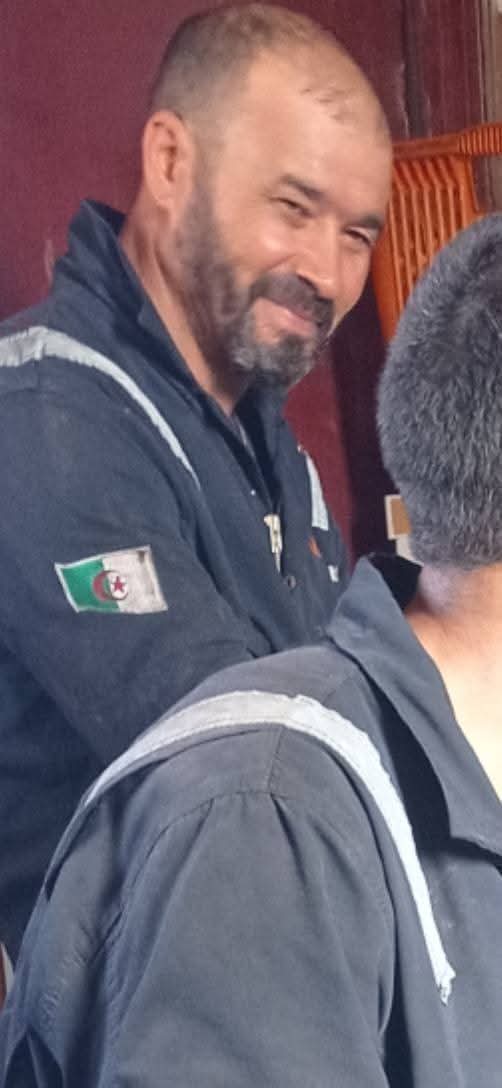
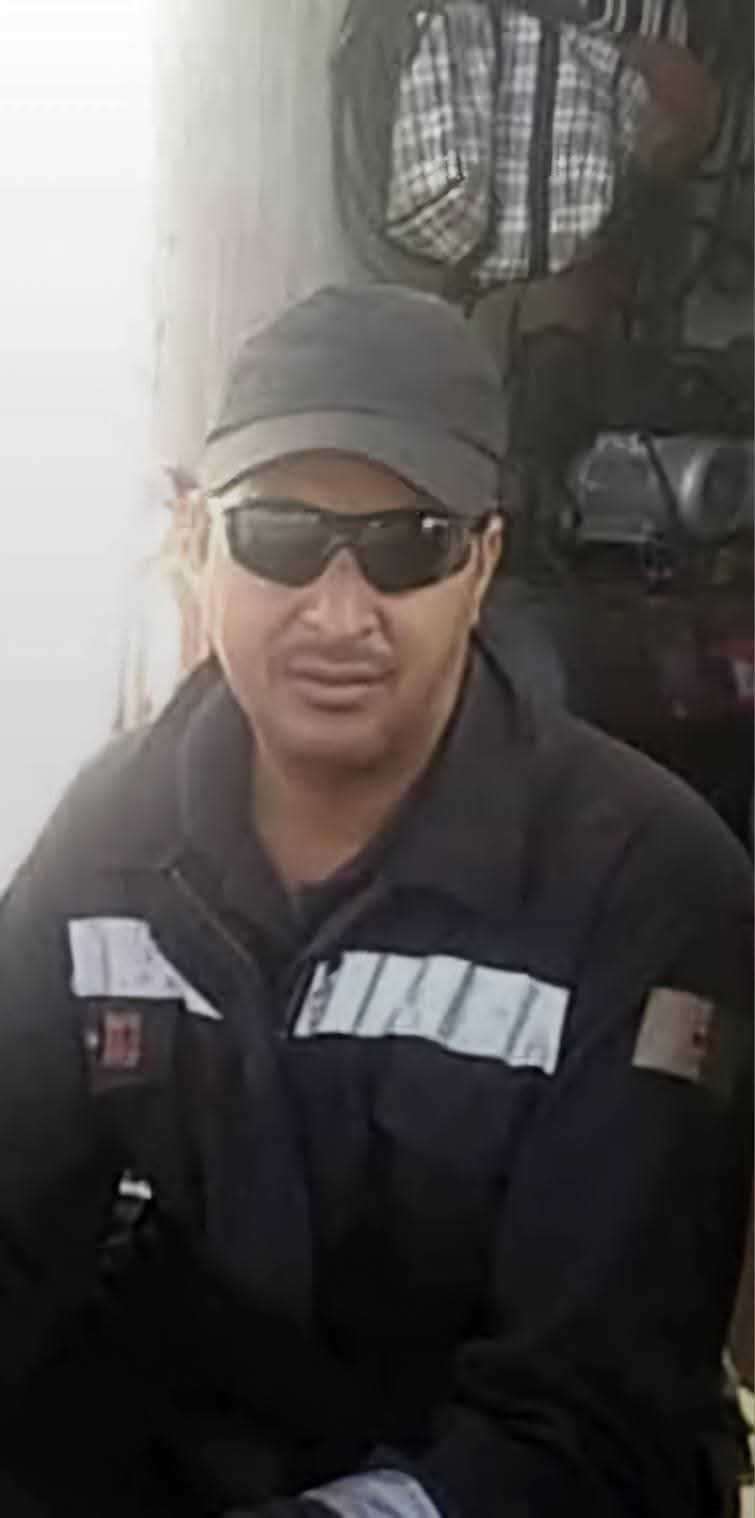
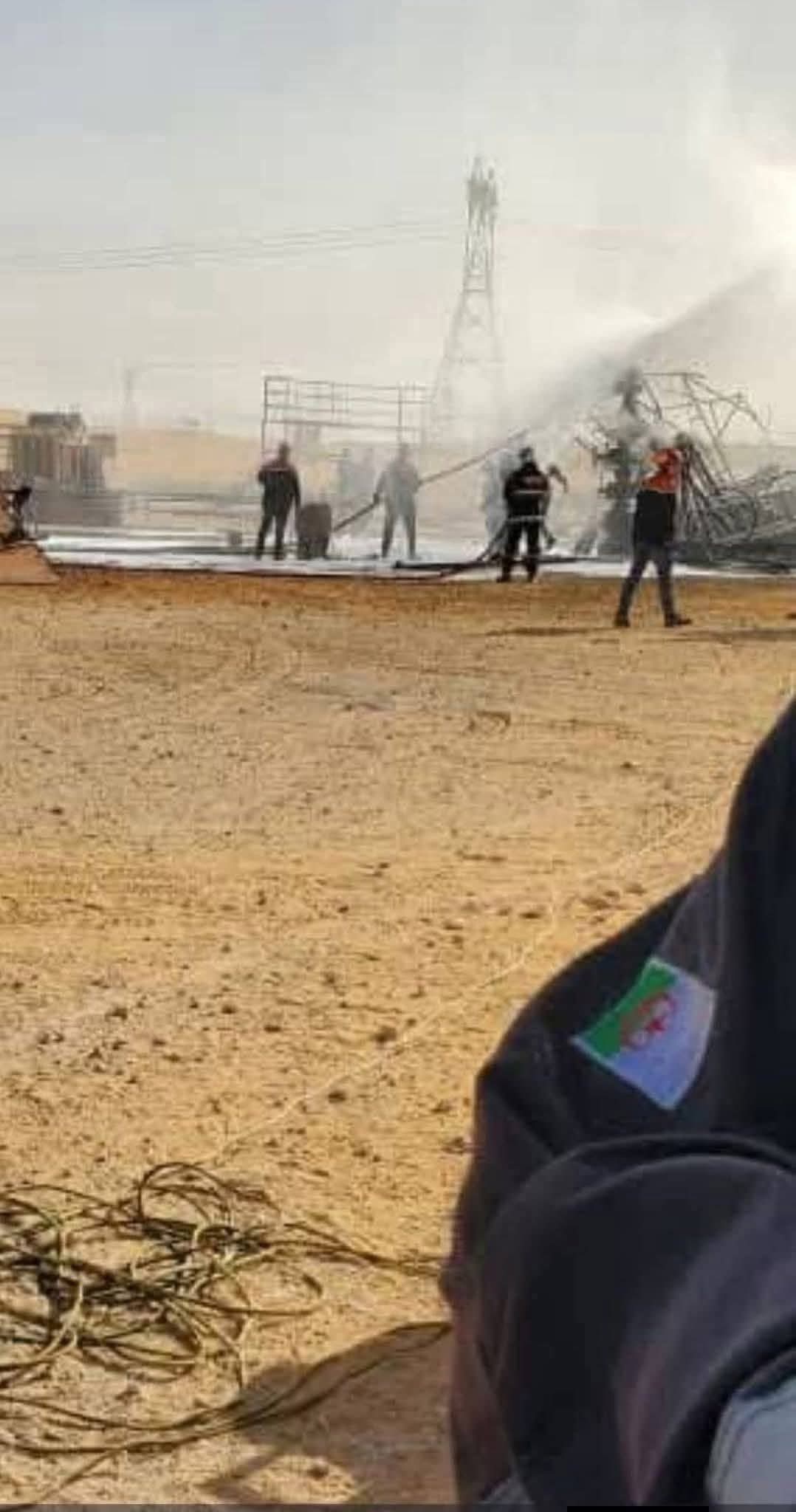
In the absence of official data, trade unions and social actors have increasingly been forced to document these incidents independently using available information.
According to data compiled by the Trade Union Confederation of Productive Forces (COSYFOP), at least 23 workers died in workplace accidents during the first month of 2026 alone, most of them on construction sites where even the most basic safety standards are often absent.During the same period, 29 suicides were also recorded across the country, some of which circulated on social media in particularly disturbing circumstances.
Although these figures remain partial, they point to a deeply worrying social reality and highlight the severity of the crisis affecting workers and vulnerable communities across the country.
Construction sites: the most dangerous workplaces
Available evidence suggests that most fatal workplace accidents occur in the construction sector, where thousands of workers operate in conditions that fall far below basic occupational safety standards.
In many worksites, essential protective equipment is missing, including safety helmets, protective harnesses, fall-prevention systems and collective safety installations.
Many workers are also employed under precarious or undeclared arrangements, leaving them outside any effective legal or social protection framework.
Despite the seriousness of the situation, labour inspectorates—whose mandate is to enforce safety standards—rarely intervene effectively, allowing many worksites to become danger zones for workers.
Energy sector: Recurring deadly incidents
Even strategic industries such as oil, gas and electricity are increasingly affected.
The 7 March 2026 incident in Hassi Messaoud—where two workers were killed and several others injured after a fire broke out on an oil drilling rig—illustrates the serious risks workers face even in sectors that are supposed to operate under the highest industrial safety standards.
Such incidents should not be dismissed as isolated technical failures. Rather, they must be understood as part of a broader systemic problem linked to weak prevention mechanisms and insufficient oversight within workplaces.
The absence of independent unions: a multiplier of risk
The rise in workplace accidents cannot be separated from the current state of trade union freedoms in Algeria.
Independent trade unions—whose role should include defending workers’ safety and labour rights—have for years faced restrictions, bans, and in some cases administrative dissolution.
Preventing independent unions from operating freely within workplaces removes a crucial layer of oversight, leaving workers with fewer tools to defend safe working conditions.
International experience consistently shows that strong and independent trade union representation helps reduce workplace accidents, as unions monitor safety practices and enable workers to report risks without fear of retaliation.
When union voices are silenced, the result is often a decline in safety culture and greater tolerance for negligence and misconduct.
Statement by the President of the Trade Union Confederation of Productive Forces
Commenting on the incident, the President of the Trade Union Confederation of Productive Forces (COSYFOP) held public authorities responsible for the deterioration of occupational safety conditions in Algeria.
He stated:
“The tragic accident in Hassi Messaoud is not an isolated event. It is the direct consequence of neglectful policies affecting occupational safety in Algeria. The repeated loss of workers’ lives in this manner clearly exposes the failure of the existing system of monitoring and prevention.”
He added:
“We hold the Ministry of Labour accountable for this situation. The labour inspection system—whose mission is to protect workers—is largely absent from monitoring safety conditions at worksites, particularly in high-risk sectors.”
The Confederation called for:
- The opening of a transparent and independent investigation into the Hassi Messaoud accident;
- The publication of regular national statistics on workplace accidents;
- Strengthening the authority and effectiveness of labour inspectorates;
- Ending restrictions on independent trade unions so that workers can defend their rights.
He concluded:
“A worker who goes to work should return home safely to his family. When workplaces become places of death, it means that the system meant to protect workers has failed—and that those responsible must be held accountable.”

📬 Did you like this article? Subscribe to our newsletter to receive the latest news and important information directly to your inbox.